Grains
- Whole wheat, brown rice, quinoa
- Oats, barley, millet, buckwheat
- Whole grain bread and pasta
- Ancient grains like farro, spelt
- Rotate between different grains weekly
Each food group offers unique nutritional contributions. Learn how to include variety from each category.
Food groups are categories that organize foods by their nutritional similarities. Understanding these categories helps you ensure your diet includes a wide spectrum of nutrients.
Rather than focusing on restrictions, thinking in terms of food groups encourages you to add more variety. Each group brings something different to the table — literally and nutritionally.
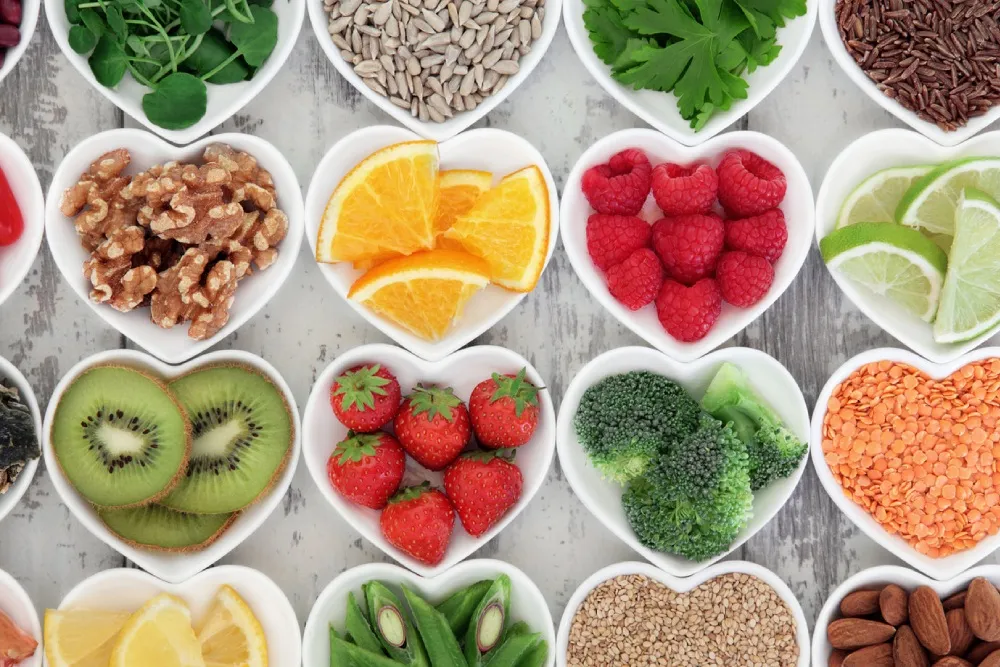
Dive deeper into what each category offers and how to maximize variety within them.
Simple ways to ensure you are getting variety from each food group.
Assign different grains to different days. Monday rice, Tuesday quinoa, Wednesday oats — simple structure, easy variety.
Focus on one color family each day while including others. This approach helps you include a wider spectrum over the week.
Alternate between plant proteins and animal proteins, or try meatless days to naturally increase legume and nut intake.
We are here to help you on your journey to more varied eating.
All materials and practices presented are for educational and informational purposes only and are aimed at supporting general well-being. They do not constitute medical diagnosis, treatment, or recommendation. Before applying any practice, especially if you have chronic conditions, please consult with a physician. We do not guarantee individual outcomes, and any promotional content is clearly informational, not medical advice.